- About Us
Fact SheetOverseas Offices & RepresentativesAccreditations and AwardsPatient Stories
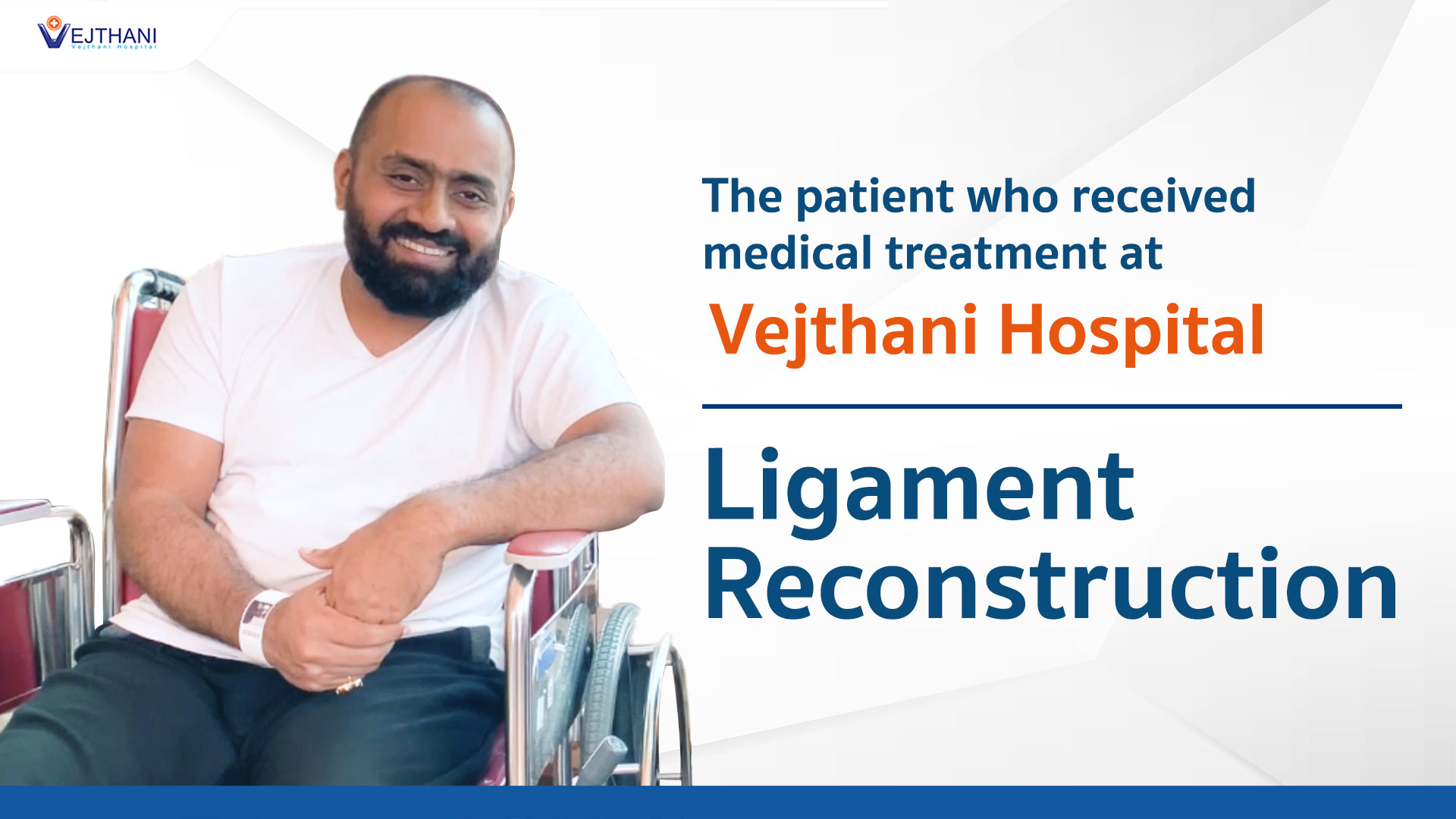
 Spinal fusion experience from Bangladeshi patientMyanmar Actress Patricia’s Intraocular Lens Surgery Experience at Vejthani HospitalLigament ReconstructionA comprehensive kid’s checkup at Vejthani Hospital’s Super Kid’s Center
 - Patient Services
- Medical Departments & Centers
- Packages & Programs
- Health Information
Health ArticlesHealth VideosNews and UpdatesSummer’s Silent Killer: Your Essential Guide to Preventing and Defeating HeatstrokeGroundbreaking Approach to Treat Cerebral Aneurysm: Biplane DSA and the Future of NeurointerventionScarless Laparoscopic Surgery: Advanced Treatment for Uterine FibroidTotal Knee Replacement with Technological Breakthrough – Rosa Robotic-Assisted Surgery








- About Us
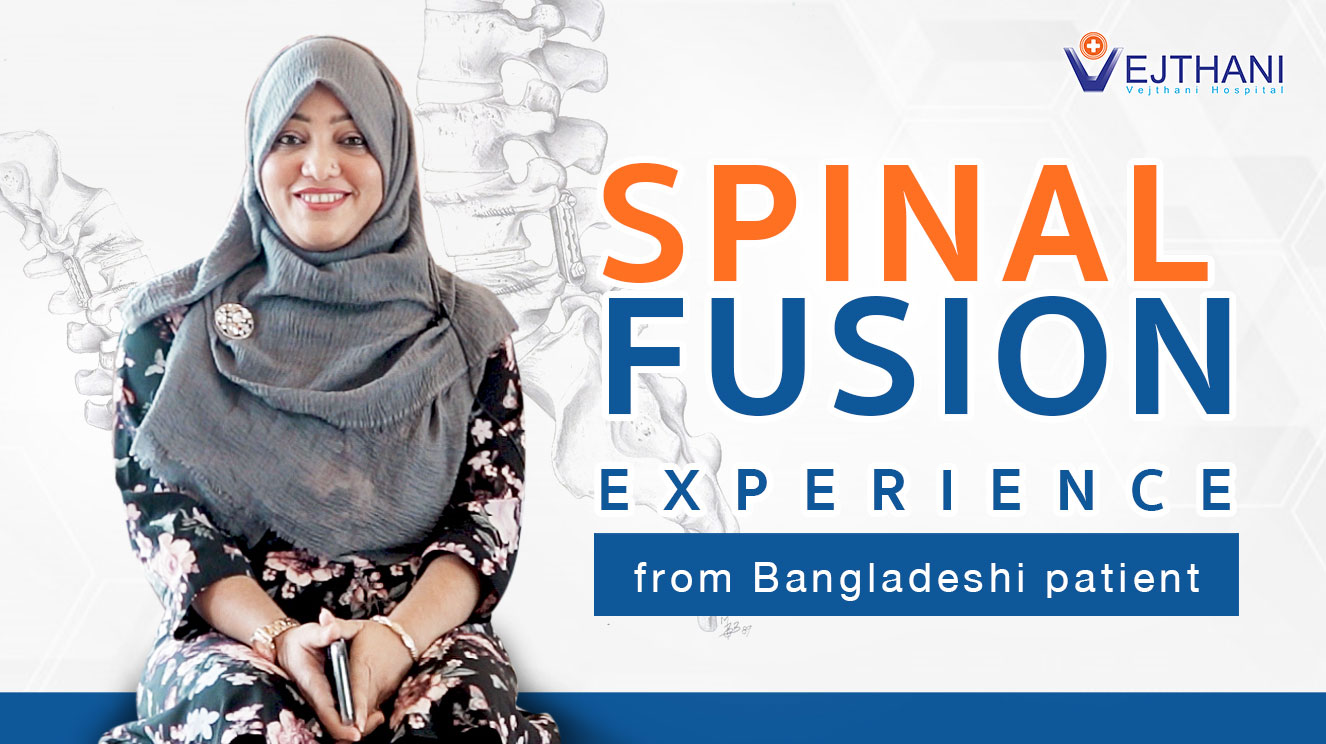
Fact SheetOverseas Offices & RepresentativesAccreditations and AwardsPatient StoriesSpinal fusion experience from Bangladeshi patientMyanmar Actress Patricia’s Intraocular Lens Surgery Experience at Vejthani HospitalLigament ReconstructionA comprehensive kid’s checkup at Vejthani Hospital’s Super Kid’s Center
- Patient Services
- Medical Departments & Centers
- Packages & Programs
- Health Information
Health ArticlesHealth VideosNews and UpdatesSummer’s Silent Killer: Your Essential Guide to Preventing and Defeating HeatstrokeGroundbreaking Approach to Treat Cerebral Aneurysm: Biplane DSA and the Future of NeurointerventionScarless Laparoscopic Surgery: Advanced Treatment for Uterine FibroidTotal Knee Replacement with Technological Breakthrough – Rosa Robotic-Assisted Surgery
Plastic Surgery Center
PLASTIC SURGERY CENTER
Plastic Surgery Center provides a full range of plastic, cosmetic and reconstructive surgery options for both men and women. Our plastic and cosmetic surgeons undergo extensive training and experience and are dedicated to achieving the highest standard of patient satisfaction. Common procedures include:

SERVICE HOURS
Monday – Sunday : 08.00AM – 08.00PM
LOCATION
Plastic Surgery Center, 11th Floor, Vejthani Hospital, Thailand
APPOINTMENTS & INQUIRIES
Phone : (+66)(0) 2734-0000 Ext. 1197
Services
- Brow lift and forehead lift surgery
- Face and neck lift surgery
- Blepharoplasty
- Rhinoplasty and alar reduction
- Lip augmentation and lip reduction
- Otoplasty
- Face contouring surgery
- Breast augmentation surgery
- Breast reduction surgery
- Breast lift surgery
- Liposuction
- Reconstructive plastic surgery to correct abnormalities caused by birth defect or accident